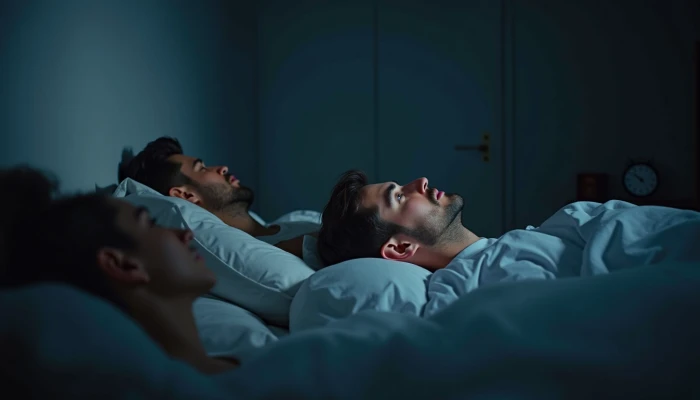
When Poor Sleep Starts Looking Like a Mental Health Problem
A lot of men think of sleep as a side issue: something to catch up on later, push through, or trade for work, parenting, stress, or late-night scrolling. But poor sleep does not stay neatly contained to the night. It often spills into mood, patience, focus, motivation, and relationships.
That matters for men's mental health. Sleep disorders such as insomnia and sleep apnea can overlap with depression, anxiety, burnout, and emotional shutdown. In some men, the first obvious sign is not "I have a sleep problem." It is "I am always on edge," "I feel flat," or "I do not feel like myself anymore."
This does not mean every rough week points to a sleep disorder, and it does not mean you should try to diagnose yourself. It does mean sleep is worth taking seriously if your mental state has changed and the usual explanations do not fully fit.
Below is a practical look at the signs of sleep disorders in men, the mental health risks of poor sleep, and realistic steps that can help you improve sleep and know when to get professional support.
Common Signs of Sleep Disorders in Men
Sleep disorders do not always look dramatic. Sometimes they show up as patterns men normalize for months or years: always being tired, needing more caffeine, snapping at people, or feeling emotionally checked out.
Insomnia is one of the most common patterns. It can mean trouble falling asleep, waking up often, waking too early, or sleeping for enough hours but still feeling unrefreshed. Some men describe it as being physically tired but mentally unable to switch off.
Sleep apnea can be even easier to miss because it happens during sleep. A partner may notice loud snoring, choking, gasping, or pauses in breathing before the person sleeping does. During the day, it may show up as heavy fatigue, morning headaches, poor concentration, or dozing off when sitting still.
Poor sleep can also affect emotions in ways that do not immediately seem sleep-related. Research and clinical explanations commonly note stronger stress reactivity, irritability, and trouble regulating emotions after sleep loss. Some people also report a blunted or numb feeling rather than obvious sadness.
Watch for clusters of signs like these:
- Difficulty falling asleep most nights
- Waking often or lying awake for long stretches
- Waking too early and not getting back to sleep
- Loud snoring or gasping during sleep
- Daytime fatigue even after a full night in bed
- Brain fog, forgetfulness, or poor focus
- Irritability, short temper, or anger after work
- Low motivation or loss of interest
- Emotional numbness in men that seems to worsen with poor sleep
A simple way to think about it is this: if your nights are broken and your days feel harder to manage, sleep may be part of the problem, not just a side effect of it.
This quick comparison can help you notice patterns without trying to self-diagnose:
| Pattern | More often linked with insomnia | More often linked with sleep apnea |
|---|---|---|
| Trouble falling asleep | Yes | Less common |
| Waking repeatedly | Yes | Sometimes |
| Loud snoring | Less common | Yes |
| Gasping or choking in sleep | Uncommon | Yes |
| Daytime exhaustion | Yes | Yes |
| Morning headaches | Sometimes | More common |
| Partner notices breathing pauses | No | Yes |
If several of these signs fit, especially over weeks or months, it is a good reason to bring sleep into the conversation with a doctor or mental health professional.
Mental Health Risks of Poor Sleep in Men
Poor sleep does more than lower energy. It can change how you think, feel, react, and cope.
One important risk is depression. Source-backed evidence in the planning materials notes that insomnia is associated with a significantly higher risk of depression in men. That does not mean insomnia automatically causes depression in every case, but it does show a strong relationship that should not be brushed off.
Anxiety is also closely tied to sleep problems. Chronic insomnia and anxiety often feed each other: stress makes sleep harder, and poor sleep makes the mind more reactive and less able to settle. That cycle can leave men feeling stuck in constant tension.
Sleep apnea adds another layer. Evidence shows symptoms of depression and anxiety are common among people with obstructive sleep apnea. Even when a man does not describe himself as anxious or depressed, untreated apnea may still contribute to poor focus, low frustration tolerance, and a worn-down mental state.
Sleep loss also affects emotional regulation. When sleep is cut short or repeatedly interrupted, the brain tends to become more reactive to stress and negative experiences. In daily life, that may look like:
- Overreacting to minor problems
- Feeling more defensive in conversations
- Struggling to calm down after stress
- Losing patience faster with family or coworkers
- Feeling detached, flat, or less able to enjoy things
That overlap matters because some men seek help for mood, anger, or relationship problems without realizing sleep is part of the picture. Others assume their fatigue and irritability are just normal stress. In reality, poor sleep can intensify existing mental health struggles and make healthy coping strategies harder to use.
Here is a practical way to spot when sleep may be affecting your mental health:
| Daytime change | Why it matters |
|---|---|
| More irritability than usual | Sleep loss can weaken emotional regulation |
| Brain fog or poor memory | Broken sleep affects attention and cognition |
| Feeling flat or emotionally numb | Fatigue can reduce emotional responsiveness and pleasure |
| More worry at night and during the day | Insomnia and anxiety often reinforce each other |
| Lower motivation | Poor sleep can make depression-like symptoms feel worse |
This is especially relevant for stress management for men. If sleep is consistently poor, stress usually feels heavier, not because you are weak, but because your system is under-recovered.
It is also why sleep changes can belong on the list of signs of depression in men and anxiety-related warning signs. They are not the whole story, but they are often part of it.
Practical Strategies to Improve Sleep Hygiene
Better sleep usually comes from steady habits, not one dramatic fix. The goal is not perfection. It is to make sleep more predictable and remove some of the common barriers that keep the body alert when it should be winding down.
Start with the basics that tend to help most people:
- Go to bed and wake up at roughly the same time each day
- Keep the bedroom dark, quiet, and cool if possible
- Use the bed mainly for sleep and intimacy rather than work or scrolling
- Cut back on caffeine later in the day if it affects your sleep
- Reduce bright screens close to bedtime when possible
- Avoid heavy meals, alcohol, or nicotine too close to sleep
- Build a short wind-down routine that tells your body the day is ending
If your mind races at night, try making the last 30 to 60 minutes before bed less stimulating. That might mean dimmer lights, a shower, light stretching, calm music, or writing down tomorrow's tasks so they are not circling in your head.
If you suspect sleep apnea, sleep hygiene alone may not be enough. Loud snoring, gasping, witnessed breathing pauses, and severe daytime sleepiness are good reasons to talk with a healthcare provider. The same goes for insomnia that lasts for weeks, keeps returning, or is affecting work, driving, mood, or relationships.
Use this simple sleep check-in for one to two weeks:
- What time did I go to bed?
- Roughly how long did it take to fall asleep?
- How many times did I wake up?
- How rested did I feel in the morning?
- Did I snore, gasp, or wake with a headache?
- How was my mood, patience, and focus the next day?
That kind of pattern tracking can make it easier to explain the problem clearly when you seek help.
A practical sequence can also help:
- Pick one wake-up time and keep it as steady as possible.
- Remove one common sleep disruptor, such as late caffeine or phone use in bed.
- Add one wind-down habit you can repeat most nights.
- Track your sleep and daytime mood for one to two weeks.
- Book professional support if symptoms persist or you suspect apnea.
For men who are already dealing with depression, anxiety, burnout, or relationship strain, it can help to treat sleep as part of the support plan rather than a separate issue. Improving sleep may not solve everything, but it can make therapy, communication, and other coping efforts easier to use.
If sleep problems are severe, persistent, or tied to major mood changes, do not try to handle it alone. Professional support matters, especially when poor sleep is affecting safety, work performance, or your ability to function day to day.
Conclusion
Sleep problems in men are easy to minimize, especially when life is busy and stress already feels normal. But ongoing insomnia, snoring with breathing problems, daytime exhaustion, irritability, and emotional flatness are worth paying attention to.
Poor sleep can raise the risk of depression, anxiety, and emotional regulation problems. It can also make everyday stress feel much harder to manage. That is why addressing sleep is not just about energy. It is a meaningful part of protecting mental health.
If your sleep has been off for a while, start with practical habits and pattern tracking. If the problem keeps going, or if sleep apnea seems possible, reach out for professional guidance. Taking sleep seriously is not overreacting. It is a realistic step toward feeling more steady, clear, and like yourself again.