When Work Stress Stops Feeling Like Stress
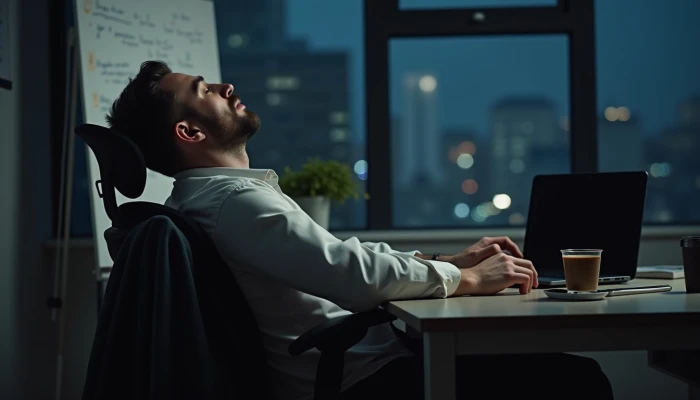
High-pressure work can reward endurance, fast decisions, and staying calm when everyone else is overloaded. For many men, that can make burnout hard to recognize. What looks like discipline or professionalism from the outside can feel like emotional flatness, constant fatigue, irritability, or a growing sense that you are only going through the motions.
This is where men's mental health often gets overlooked. Stress does not always show up as panic or obvious breakdown. It can look like shutting down, losing interest, snapping at people at home, sleeping badly, or feeling strangely detached from work you used to care about.
If that sounds familiar, the goal is not to self-diagnose or label every rough week as burnout. The goal is to notice patterns early and respond in practical ways. Below is a grounded guide to recognizing burnout signs, improving work-life balance, and using support systems such as employee resource groups, peer networks, and professional help when needed.
Recognizing Burnout: Subtle Signs and Emotional Traps
Burnout does not always feel dramatic. In many men, it shows up as reduced emotional range rather than obvious distress. You may still be functioning, meeting deadlines, and showing up to calls, but feel disconnected from your work, your relationships, or yourself.
That emotional numbness can be easy to dismiss. Some men describe it as being tired, checked out, or just not caring as much anymore. In reality, emotional numbness in men can be a sign that stress has been running too high for too long. Detachment may even get rewarded at work because it can look like composure.
Common warning signs include the following.
- Feeling "robotic" or flat during the workday
- Losing motivation for tasks you used to handle well
- Dreading work more often, even after time off
- Chronic fatigue that sleep does not fully fix
- Trouble falling asleep, staying asleep, or waking unrefreshed
- Increased irritability, cynicism, or short temper
- Pulling back from coworkers, friends, or family
- Using alcohol, endless scrolling, or overwork to avoid feeling anything
It can help to separate normal pressure from a pattern that keeps building.
| Short-term work stress | Possible burnout pattern |
|---|---|
| Busy week followed by recovery | Exhaustion that keeps carrying over |
| Frustration about one project | Cynicism about most of your work |
| Temporary late nights | Ongoing sleep disruption |
| Feeling stretched | Feeling numb, trapped, or detached |
| Need a weekend to reset | Weekend does not restore you |
One emotional trap is telling yourself that because you are still performing, nothing is wrong. Another is assuming that if you are not openly sad, anxious, or unable to work, it does not count. But signs of depression in men and burnout can overlap in ways that are easy to miss, especially when the main outward signs are anger, withdrawal, or loss of interest.
A simple check-in can help. Ask yourself these questions once a week.
- Am I recovering after work, or only surviving it?
- Have I become more numb, sarcastic, or detached lately?
- Is my stress showing up more at home than at work?
- Am I using unhealthy coping to get through the week?
- Have people close to me noticed that I seem different?
If several of those feel true for more than a brief stretch, it may be time to treat the pattern seriously. That does not mean assuming a diagnosis. It means recognizing that your current pace and coping style may not be sustainable.
Work-Life Balance Strategies for High-Pressure Professions
Work-life balance is not always about reducing ambition. In many cases, it is about protecting energy, attention, and recovery so your job does not consume every part of your life. For men in demanding fields, that often starts with boundaries that are specific enough to use in real life.
The most useful approach is usually small and repeatable, not extreme. You do not need a perfect routine. You need a few habits that lower the chance of staying in constant activation.
Start with your workday edges.
- Set a defined start routine instead of checking messages the moment you wake up
- Create a shutdown routine at the end of the day, even if you work from home
- Block short recovery periods on your calendar between high-focus tasks when possible
- Turn off nonessential notifications during personal time
- Avoid using late-night hours as your default catch-up window
If your workplace allows flexibility, use it deliberately. Flexible hours, remote work options, protected focus time, or workload conversations with a manager can reduce strain when used early rather than only after a crisis point.
It can also help to build a clearer separation between your professional role and your personal identity. Daily rituals matter here.
- Change clothes after work
- Take a short walk before entering home mode
- Spend 10 minutes doing one non-work task before opening your laptop again
- Put your phone in another room during dinner or wind-down time
- Keep one part of the evening screen-free when possible
If you are not sure where to begin, use this simple implementation sequence.
- Pick one boundary for the start of the day.
- Pick one boundary for the end of the day.
- Pick one recovery habit you can repeat at least four days this week.
- Tell one person what you are trying to protect so it becomes more real.
- Review after one week and adjust instead of quitting.
For many men, stress management for men works better when it is framed as energy management rather than self-improvement. The question is not whether you can push harder. It is whether your current pattern is leaving enough room for sleep, relationships, exercise, meals, and mental recovery.
A few mistakes tend to make burnout worse.
| Mistake | Why it backfires | Better move |
|---|---|---|
| Waiting until you are overwhelmed to set limits | By then, everything feels urgent | Set one boundary during a manageable week |
| Treating rest as a reward | Recovery becomes inconsistent | Schedule recovery as part of the plan |
| Using work to avoid personal stress | Stress simply shifts location | Build a short transition ritual after work |
| Assuming more discipline will solve exhaustion | Burnout is not just a motivation problem | Reduce friction and protect recovery time |
If your stress is affecting sleep, mood, or relationships for more than a short period, it may be worth talking with a doctor or licensed mental health professional. Burnout can overlap with anxiety, depression, and physical health strain, so support does not have to wait until things get severe.
Building Support Systems: From ERGs to Peer Networks
Burnout often gets worse in isolation. Men in competitive or male-dominated workplaces may feel pressure to keep problems private, especially if the culture rewards toughness, long hours, or emotional control. That is one reason support systems matter: they reduce the sense that you have to carry everything alone.
One option is employee resource groups. Employee resource groups (ERGs) can create safer spaces to talk about stress, workload, identity, and workplace culture. Not every ERG will focus directly on mental health, but many can still offer connection, practical advice, and a way to feel less alone inside a demanding environment.
Other forms of support can be just as useful.
- A trusted peer who understands the pace of your work
- A mentor who can help you navigate expectations and boundaries
- A manager who is open to realistic workload conversations
- Confidential counseling or employee assistance services if your employer offers them
- A therapist outside work if you want more privacy or deeper support
Mentorship can be especially helpful because it gives structure to conversations that might otherwise never happen. A good mentor may help you spot patterns you have normalized, such as overcommitment, constant availability, or career decisions driven by fear rather than values.
If asking for support feels awkward, keep it concrete. You do not have to deliver a big personal disclosure. You can start with what is happening functionally.
For example, you might say:
- "I have been running at a high pace for a while and I am noticing it is affecting my focus and recovery."
- "I want to talk about workload and what is actually sustainable over the next month."
- "I have been more checked out than usual, and I do not want to ignore that."
- "Do you know what support options exist here if someone is dealing with burnout?"
If your workplace offers confidential mental health support, it may lower the barrier to taking a first step. Some men are more willing to use support when they know it is private, practical, and not tied to a public label. That matters. Help-seeking is often easier when it feels like a normal part of staying functional, not a sign that you have failed.
Outside work, do not underestimate the value of one honest conversation with a partner, friend, sibling, or family member. People close to you may have already noticed changes such as anger after work, emotional shutdown, or withdrawal. Letting someone in can make it easier to act sooner.
A useful support check looks like this.
| Support type | What it can help with | First step |
|---|---|---|
| ERG or internal group | Connection and reduced isolation | Attend one meeting or ask what groups exist |
| Mentor | Perspective and career-pressure guidance | Request a short check-in |
| Trusted peer | Day-to-day reality testing | Share one specific struggle |
| Manager | Workload and boundary adjustments | Ask for a focused conversation |
| Counselor or therapist | Coping, mood, and deeper patterns | Book an intro session or consultation |
Support does not remove pressure overnight. But it can make pressure more manageable and reduce the risk of staying stuck in silent, high-functioning burnout.
Conclusion
Burnout in high-pressure careers often builds quietly. Many men do not notice it until stress has turned into numbness, irritability, poor sleep, or disconnection from the people and parts of life that matter most.
The most practical response is usually early and steady: notice the warning signs, make a few realistic work-life balance changes, and use support systems before things escalate. That might mean protecting your evenings more carefully, talking with a manager about workload, joining an ERG, reconnecting with a mentor, or reaching out for professional support.
No single strategy works for everyone, and none of this guarantees that work stress disappears. But combining personal boundaries with workplace resources can give you a more sustainable way to work without ignoring your emotional health.
If you are feeling persistently flat, exhausted, anxious, or shut down, it is reasonable to talk with a licensed mental health professional or doctor. Getting support is not overreacting. It is a practical step toward staying well enough to keep living, working, and relating like yourself.