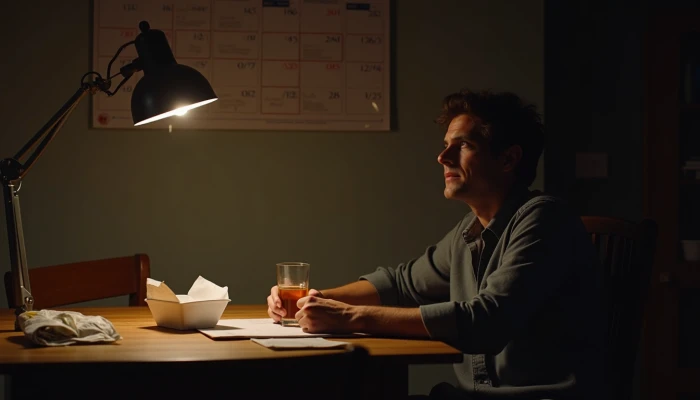
When Stress Drinking Starts to Feel Normal
For a lot of men, drinking can start as a simple way to switch off after a hard day. It may seem easier than talking, resting, or admitting that stress is building up. A few drinks can feel like relief when work pressure, relationship strain, loneliness, or constant tension has been sitting in the background for too long.
The problem is that alcohol often works as a short-term escape while quietly making the bigger picture worse. It can interfere with sleep, increase irritability, lower mood, and make it harder to deal with stress directly. Over time, what looked like a coping tool can become part of the problem.
This matters for men's mental health because many men are taught to push through, stay quiet, or handle things alone. If alcohol becomes the main release valve, it can hide stress for a while without actually reducing it.
This guide looks at why that pattern happens, the health risks of alcohol use, practical alternatives to alcohol for stress relief, and when it makes sense to get professional support.
Why Men Turn to Alcohol for Stress
Men do not usually turn to alcohol because they are weak or careless. More often, they are trying to manage pressure with the tools they have. If someone has learned to keep emotions private, avoid asking for help, or treat stress as something to power through, alcohol can start to look like a fast and socially accepted way to cope.
For some men, drinking also fits the role they feel expected to play. They may believe they need to stay in control, avoid burdening other people, or keep painful feelings out of sight. That can make emotional expression feel uncomfortable or even unsafe. In that context, alcohol can become a shortcut to numbness, distraction, or temporary calm.
The short-term effect is part of what keeps the cycle going. Alcohol may briefly reduce tension or make it easier to avoid racing thoughts. But it does not solve the source of the stress. If anything, it can reduce the chance that a man will notice what he is actually feeling, say it clearly, or deal with the problem directly.
Research on coping and problematic alcohol use also points to a link between emotional distress, coping style, and alcohol misuse. In plain terms, when stress, anxiety, or low mood are already in the picture, using alcohol as the main coping strategy can raise the risk of a deeper pattern forming.
A simple self-check can help you spot whether stress drinking is becoming a habit.
| Sign | What it can look like |
|---|---|
| Drinking to change your mood | Using alcohol mainly to calm down, switch off, or stop thinking |
| Drinking feels automatic | Reaching for a drink every evening without really deciding |
| Needing more to get the same effect | One drink turns into several more often than it used to |
| Stress feels worse without it | Feeling edgy, restless, or stuck when you try not to drink |
| Other coping skills have faded | Exercise, sleep, hobbies, or talking to someone happen less often |
Not every one of these signs means a person has a disorder. But together, they can signal that alcohol is becoming a stress response instead of an occasional choice.
Health Risks of Chronic Alcohol Use
When alcohol becomes a regular stress-management tool, the risks are not only about dependence. The effects can show up across physical health, emotional health, and daily relationships.
On the physical side, long-term heavy alcohol use is associated with serious health problems, including liver damage, cardiovascular strain, and weaker immune function. Even before those larger risks appear, many men notice more immediate effects such as poor sleep, low energy, dehydration, and slower recovery from stress.
Mental health can also take a hit. Alcohol may feel calming at first, but it can worsen anxiety, deepen low mood, and increase irritability. It often disrupts sleep quality, which matters because sleep and mental health affect each other in both directions. A man may drink because he feels stressed and exhausted, then sleep worse, wake up more tense, and feel even more likely to drink again the next night.
That feedback loop can also overlap with signs of depression in men, such as emotional numbness, anger, withdrawal, loss of motivation, or feeling flat. Alcohol can blur those warning signs, making it harder to tell whether stress is becoming burnout, anxiety, depression, or a mix of several things.
Relationships often absorb the impact too. A partner, friend, or family member may experience more distance, shorter temper, broken routines, or less honest communication. Trust can erode when someone repeatedly uses alcohol to avoid hard conversations or disappears emotionally after stressful days.
One useful way to think about it is this:
- Alcohol can reduce discomfort for a short time.
- It often increases the conditions that created the discomfort.
- That can make the next urge to drink feel even stronger.
That does not mean every stressed man who drinks is headed for the same outcome. But if alcohol is becoming the main way to cope, the pattern deserves attention early rather than later.
Alternatives to Alcohol for Stress Relief
Replacing alcohol works better when the replacement actually does the job you were asking alcohol to do. If drinking helps you decompress, numb out, fall asleep, or create distance from stress, your alternative needs to address that same need in a healthier way.
A good starting point is to build a short list of healthy coping strategies that are realistic, not idealized. You do not need a perfect wellness routine. You need options you can actually use when stress is high.
Here are practical alternatives that commonly show up in stress management for men guidance:
- Physical activity, including walking, lifting, stretching, or any exercise you can repeat consistently
- Slow breathing, mindfulness, or brief meditation to bring down physical tension
- Better sleep basics, such as a regular wind-down routine and less late-night stimulation
- Talking with one trusted person instead of carrying everything alone
- Structured downtime that does not revolve around drinking, like music, reading, cooking, or time outdoors
- Clearer boundaries around work, notifications, and after-hours availability
If you want a simple replacement plan, try this sequence:
- Notice your trigger time.
- Name the feeling as specifically as you can.
- Choose one replacement action that takes 10 to 20 minutes.
- Delay drinking until after that action.
- Reassess whether the urge has changed.
That pause matters. It creates space between stress and the automatic response.
This comparison can help you choose alternatives based on what you actually need.
| If alcohol usually helps you... | Try this instead |
|---|---|
| Switch off after work | A walk, shower, music, or a no-phone reset routine |
| Calm your body down | Box breathing, progressive muscle relaxation, or stretching |
| Stop overthinking | Journaling for 10 minutes or talking to one trusted person |
| Feel less alone | Text a friend, join a support group, or make a low-pressure plan |
| Fall asleep | A consistent bedtime routine, dim lights, and avoiding late drinking |
It is also worth being honest about what gets in the way. Some men reject alternatives because they seem too small compared with the immediate effect of alcohol. But the goal is not to create the exact same feeling instantly. The goal is to reduce stress without adding new problems.
If one strategy feels useless, that does not mean all non-drinking approaches will fail. Stress management for men often works best as a mix of small repeatable habits rather than one dramatic fix.
Steps to Seek Professional Help
If alcohol is starting to feel hard to control, or if stress, anger, anxiety, or low mood keep driving you back to it, professional support can help. Reaching out does not mean things have to be at their worst first.
It may be time to get help if:
- You regularly drink to cope with stress rather than for occasional enjoyment
- You have tried to cut back and keep slipping into the same pattern
- Alcohol is affecting sleep, work, mood, or relationships
- You notice emotional numbness, persistent anxiety, or low mood underneath the drinking
- People close to you have expressed concern
Several kinds of support can be useful. Therapy can help you understand the link between stress, thoughts, emotions, and drinking behavior. Cognitive Behavioral Therapy, in particular, is often used to help people identify triggers, challenge unhelpful patterns, and build more effective coping responses.
Support groups or structured recovery programs can also help by reducing isolation and adding accountability. For some men, it is easier to speak honestly when they are around others who understand the same cycle.
A healthcare provider can help assess whether there are underlying concerns contributing to the pattern, such as anxiety, depression, sleep problems, or burnout. That matters because alcohol use often overlaps with other mental health struggles instead of existing on its own.
If you are not sure where to start, keep it simple:
- Book an appointment with a primary care doctor or licensed mental health professional.
- Say clearly that stress and alcohol are starting to connect in a way that worries you.
- Ask about therapy options, support groups, and next steps for reducing alcohol use safely.
- Tell one trusted person that you are getting support so you do not have to do it alone.
If there is any immediate safety concern, severe withdrawal risk, or crisis situation, contact local emergency services or a qualified crisis resource right away. Professional care is especially important when alcohol use feels physically risky or impossible to manage alone.
Conclusion
Stress drinking can become normal so gradually that it is easy to miss what is happening. What starts as a way to relax after a hard day can turn into a cycle that worsens sleep, mood, health, and relationships.
Breaking that cycle usually starts with honesty, not shame. Notice what alcohol is doing for you in the moment, what it is costing you afterward, and which healthier responses could meet the same need more safely. Small changes count, especially when they are repeated.
If the pattern feels stuck, support matters. Practical coping habits, trusted people, therapy, and medical guidance can all play a role. You do not have to wait until things fall apart to take your stress seriously.