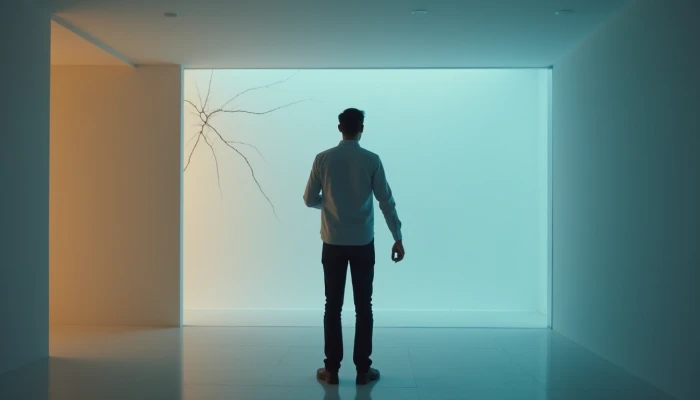
When Men’s Mental Health Struggles Don’t Look Like Sadness
A lot of men are taught to look for mental health problems in a very narrow way. If they are still going to work, handling responsibilities, or avoiding open emotion, they may assume nothing is wrong. The problem is that men's mental health struggles often show up in less obvious ways, including anger, shutdown, isolation, sleep problems, heavy stress, or feeling emotionally flat.
That can make early recognition harder for men themselves and for the people who care about them. It can also delay support until work, relationships, health, or daily functioning start to slip.
This article looks at common mental health challenges in men, how to recognize subtle warning signs, and what practical support can look like before things get worse. The goal is not to label every bad week as a disorder. It is to make it easier to notice patterns, respond earlier, and treat distress as something worth taking seriously.
Prevalence and Common Mental Health Issues in Men
Research and public mental health guidance consistently show that men face serious mental health risks, even when those struggles are underrecognized. Available evidence points to higher risk in areas such as substance misuse, suicide, aggression, and untreated or missed depression. At the same time, men may be less likely to name what they are feeling in mental health terms or seek help early.
Part of the challenge is that distress does not always look like sadness. Some men describe feeling nothing at all. Others become more irritable, more controlling, more withdrawn, or more focused on staying busy. Those reactions can be mistaken for personality, stress, or toughness when they may actually reflect depression, anxiety, trauma, or burnout.
Burnout in men can also be easy to miss. Instead of saying they feel emotionally overwhelmed, some men report constant fatigue, poor concentration, loss of motivation, headaches, sleep disruption, or pulling away from family and friends. That does not mean every tired or quiet man is in crisis. It does mean repeated patterns deserve attention.
A useful starting point is to think beyond one stereotype of depression or anxiety. Men's mental health concerns may include:
- low mood that shows up as irritability rather than tearfulness
- emotional numbness in men who feel disconnected from themselves or others
- chronic stress that spills into anger after work or conflict at home
- anxiety that looks like restlessness, overworking, or constant tension
- unhealthy coping through alcohol, substances, or total withdrawal
- burnout marked by exhaustion, cynicism, and reduced functioning
When these patterns keep repeating, they are worth noticing rather than dismissing.
Recognizing Subtle Signs of Distress
One reason men and depression can be hard to spot is that the signs may look indirect. A man may not say, "I feel depressed" or "I feel anxious." He may say he is tired, annoyed, checked out, or done with everything. He may stop enjoying things he used to care about without being able to explain why.
Emotional numbness is one example. It can feel like going through the motions, struggling to connect, or not reacting much to good or bad news. In some cases, that kind of blunting is linked with depression or trauma-related distress. It is often mistaken for apathy, laziness, or lack of caring.
Other signs can build gradually. Sleep may get worse. Appetite may change. A man may stop answering messages, avoid social plans, or seem mentally absent even when he is physically present. Work performance may slip, or work may become the only place he feels able to function.
Irritability matters too. Anger after work, snapping over small things, or feeling constantly on edge can be signs of unprocessed stress. That does not excuse harmful behavior, but it can help explain why someone seems more reactive than usual.
This quick check can help separate a rough patch from a pattern that needs attention.
| Sign | What it may look like | Why it matters |
|---|---|---|
| Emotional numbness | Feeling flat, disconnected, or unable to enjoy things | Can signal depression, trauma, or overload |
| Sleep changes | Trouble falling asleep, waking early, sleeping too much | Often shows up early in stress, anxiety, or burnout |
| Social withdrawal | Canceling plans, isolating, keeping conversations shallow | Can reduce support and worsen distress |
| Irritability | Snapping, impatience, anger after work | May reflect stress, anxiety, or low mood |
| Physical exhaustion | Constant fatigue, low motivation, brain fog | Common in burnout and chronic stress |
| Loss of interest | Hobbies, sex, exercise, or goals no longer feel rewarding | Often linked with depression or emotional shutdown |
If several of these signs are showing up at once, or if they keep going for weeks, it may be time to talk with a trusted person or a qualified professional.
Societal Expectations and Stigma
Many men grow up with strong messages about being self-reliant, controlled, productive, and hard to shake. Those traits are not automatically harmful, but they can become a barrier when they turn into pressure to hide distress at all costs.
If vulnerability is treated as weakness, men may wait until problems become severe before asking for help. They may also use language that sounds more acceptable to them, such as stress, burnout, anger, or exhaustion, even when deeper mental health issues are involved. That can make conversations possible, but it can also keep the full picture hidden.
Stigma does not only come from peers or family. Some research suggests mental health problems in men may also be overlooked or misread by professionals, especially when symptoms do not fit expected patterns. A man who presents with anger, substance use, risk-taking, or shutdown may not immediately be recognized as someone dealing with depression or anxiety.
The result is often isolation. Men may pull back from support networks right when they need them most. Partners, relatives, and friends may misread withdrawal as indifference or stubbornness. In reality, the person may feel ashamed, overwhelmed, or unable to explain what is happening.
It can help to replace judgment with clearer questions.
Instead of this:
- "Why are you acting like this?"
- "You never talk about anything."
- "You just need to relax."
Try this:
- "You seem more worn down lately. Want to talk?"
- "I've noticed you've been pulling back. How are you doing really?"
- "You don't have to have the right words. I'm here to listen."
That kind of language lowers pressure. It does not force disclosure, but it makes support easier to accept.
Building Practical Support Strategies
Support works better when it is concrete. Men who are struggling often do not need a lecture first. They need a way to notice patterns, name what is happening, and take one manageable next step.
Start with self-awareness. That does not have to mean long journaling sessions or perfect mindfulness practice. It can be as simple as tracking a few daily signals for two weeks.
A simple check-in might include:
- sleep quality
- stress level
- energy level
- irritability
- alcohol or substance use
- social contact
- whether anything still feels enjoyable
This kind of tracking can make patterns visible. For example, a man may notice that his worst anger after work happens on days when he skipped meals, slept badly, and had no downtime. Another may realize that what felt like laziness is actually emotional exhaustion.
Communication also matters. If you are the one struggling, try using plain descriptions instead of waiting for perfect emotional language.
Examples include:
- "I've been feeling shut down lately."
- "I'm more on edge than usual."
- "I don't feel like myself, and it's affecting home or work."
- "I think I need support before this gets worse."
If you are supporting someone else, focus on observations rather than labels. That reduces defensiveness and keeps the conversation grounded.
When symptoms start interfering with daily life, professional support is worth considering. That might mean speaking with a doctor, therapist, counselor, or another qualified mental health professional. It does not mean someone has failed. It means the problem is affecting functioning enough to deserve care.
A practical sequence can help:
-
Notice repeated changes in mood, energy, sleep, stress, or behavior.
-
Track those patterns for a short period instead of dismissing them.
-
Talk to one trusted person using direct, nonjudgmental language.
-
Reduce coping habits that make things worse, such as isolation or heavy drinking.
-
Seek professional help if symptoms persist, escalate, or disrupt work, relationships, or daily routines.
For some men, the first useful step is not a deep emotional breakthrough. It is simply admitting, "Something feels off, and I should not ignore it." That is a strong place to begin.
Conclusion
Men's mental health deserves attention even when distress does not look obvious. Problems may show up as numbness, anger, overwork, withdrawal, poor sleep, or burnout long before someone uses words like depression or anxiety.
Recognizing those patterns early can make support more effective and less overwhelming. That starts with dropping stereotypes, paying attention to changes in behavior and functioning, and making room for honest conversation.
If you are concerned about yourself or someone close to you, you do not need to wait for things to become unbearable before reaching out. Practical support, steady relationships, and qualified professional care can all play a meaningful role.