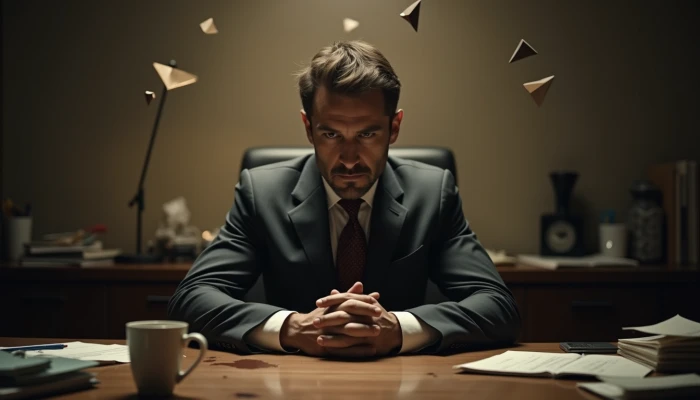
When Burnout Looks Like Anger, Numbness, or Checking Out
A lot of men do not call it burnout at first. They call it a rough patch, a busy season, being tired, or just dealing with pressure.
That can make burnout in men easy to miss. Instead of saying "I feel overwhelmed," some men notice they are snapping at people, zoning out at home, avoiding texts, or feeling strangely numb. Others keep functioning on the outside while feeling increasingly detached from work, relationships, and themselves.
That does not mean they are weak, dramatic, or failing. Burnout is widely described as a response to chronic stress that has not been managed well over time. The problem is that many men have been taught to treat stress as something to push through until the wheels come off.
This guide breaks down the signs many guys miss, why those signs are easy to dismiss, and what recovery can realistically look like if you want something practical, stigma-free, and grounded in evidence.
Understanding Burnout: Gender-Specific Signs and Misconceptions
Burnout is commonly defined as a syndrome linked to chronic stress, especially in work settings, that has not been successfully managed. Major health and mental health sources describe it as involving exhaustion, increased mental distance or cynicism, and a reduced sense of effectiveness.
That definition matters because many men expect burnout to feel obvious. They picture total collapse, crying at work, or not being able to get out of bed. Sometimes it does get that severe. But often it starts in quieter ways.
In men, the early signs may be easier to mistake for personality changes or "just stress." That can include:
- irritability or a shorter fuse
- emotional numbness
- pulling away from friends, family, or a partner
- feeling detached from work you used to care about
- going through the motions without much interest or satisfaction
- using overwork, alcohol, scrolling, gaming, or constant busyness to avoid slowing down
These are not the only male burnout symptoms, and they are not exclusive to men. But they can fit how many men are socialized to express distress: less through open sadness, more through shutdown, anger, or distance.
It also helps to separate burnout from depression without pretending the line is always simple. Burnout is often discussed as stress-related and commonly tied to work or other long-term demands. Depression is broader and can affect mood, motivation, sleep, appetite, concentration, and enjoyment across many parts of life, not only the stressful role.
A simple way to think about it is this:
| Pattern | Burnout | Depression |
|---|---|---|
| Common trigger | Chronic demands, often work-related | May or may not have a clear external trigger |
| Typical feeling | Exhausted, cynical, depleted | Persistently low, hopeless, or unable to enjoy much |
| Scope | Often starts around one role or setting | Often spreads across most areas of life |
| What to do | Reduce strain, improve recovery, assess support needs | Get professional assessment, especially if symptoms are persistent or worsening |
The overlap is real. Burnout can slide into depression, and depression can make burnout worse. If symptoms are intense, long-lasting, or affecting safety, work, or relationships in a major way, it is worth getting professional support rather than trying to label it perfectly on your own.
Why Men Often Miss Burnout Signals
Many men do not miss burnout because they are careless. They miss it because the signs are easy to normalize.
If you were taught that reliability means pushing through, then chronic stress can start to look like proof that you are doing your job. Feeling tired becomes normal. Being emotionally unavailable becomes "needing space." Anger becomes "just being under pressure."
That mindset can be especially strong in workplaces where exhaustion is worn like a badge of commitment. In physically demanding or high-pressure roles, there may be an unspoken rule that if you are still showing up, you are fine. That can make it harder to notice when stress has crossed into burnout.
There is also the stigma piece. Some men worry that naming burnout means admitting weakness, losing status, or letting people down. So instead of asking, "What is this doing to me?" they ask, "How much longer can I carry it?"
A few common thought patterns keep burnout hidden:
- "Everyone is stressed. I just need to deal with it."
- "I am still working, so it cannot be that bad."
- "If I slow down, everything will fall apart."
- "Talking about it will make me look incapable."
- "I just need a weekend off," even when the pattern has been building for months
Another reason men miss the signs is that burnout does not always feel emotional at first. It can feel behavioral. You may notice that you are more sarcastic, more checked out, less patient with your kids, less interested in sex, or more likely to isolate after work. Those changes can seem like attitude problems when they are actually warning signs.
A quick self-check can help. If several of these have become frequent, it may be time to take burnout seriously:
- You dread work most days, even when nothing specific went wrong.
- You feel flat or detached when you get home.
- Small frustrations trigger outsized anger.
- Rest does not feel restorative.
- You are withdrawing from people you usually care about.
- You keep telling yourself to push harder, but your performance or patience is slipping.
Missing burnout signals does not make you irresponsible. It usually means you have adapted to stress for so long that unhealthy has started to feel normal.
Practical Recovery Strategies Aligned with Masculine Norms
Recovery usually does not come from one dramatic move. It tends to come from repeated changes that lower strain and improve recovery capacity.
That matters because many men will try to solve burnout the same way they handle other problems: push harder, optimize harder, and hide the cost. But burnout is often a sign that your current system is no longer sustainable.
A more useful frame is not "How do I tough this out?" but "What do I need to change so I stop running on empty?"
Start with a short reset plan:
- Name the main pressure points.
- Cut one avoidable demand this week.
- Add one daily recovery habit you can actually keep.
- Tell one trusted person what has been going on.
- If symptoms are persistent or worsening, book professional support.
Structured therapy can help, especially approaches that give you tools rather than asking you to simply vent. Evidence discussed in burnout guidance often points to cognitive behavioral strategies as useful for reducing exhaustion, cynicism, and the sense that nothing you do matters. For men who want something practical, that can fit well.
The same is true for habits that feel concrete and measurable. Useful healthy coping strategies often include:
- protecting sleep with a consistent wind-down and wake time
- getting regular physical activity, even if it is brief
- reducing numbing behaviors that leave you more drained afterward
- setting clearer work boundaries where possible
- taking short daily recovery breaks instead of relying only on weekends or vacations
- breaking large stressors into specific problems you can act on
It can help to think in terms of control, not perfection. You may not be able to change your whole workload immediately. But you may be able to stop checking messages at night, ask for help on one task, use your break instead of skipping it, or stop saying yes to every extra demand.
Here is a simple recovery framework:
| Area | What burnout often looks like | Practical first step |
|---|---|---|
| Energy | Constant fatigue, poor recovery | Protect sleep and add one non-negotiable rest window |
| Mood | Irritability, numbness, cynicism | Track triggers and reduce one daily pressure point |
| Body | Tension, headaches, poor sleep | Resume regular movement and basic routines |
| Work | Dread, low focus, mistakes | Prioritize, delegate where possible, and limit after-hours spillover |
| Relationships | Withdrawal, conflict, shutdown | Tell one person you are overloaded instead of disappearing |
If the word therapy feels loaded, it may help to reframe men's therapy as skill-building, stress management, or getting a better operating system for what you are carrying. The name matters less than whether it helps you function, communicate, and recover.
If burnout is severe, affecting your health, or blending into depression or anxiety, self-help may not be enough on its own. That is not failure. It is a sign that more support is appropriate.
Supporting Men Through Burnout: Roles for Partners and Friends
If you care about a man who seems burned out, the goal is not to diagnose him or force a breakthrough conversation. It is to lower defensiveness and make support easier to accept.
Many men respond better to calm observations than to pressure. Instead of saying, "You need help," try naming what you notice.
For example:
- "You seem wiped out lately."
- "I have noticed you are more on edge than usual."
- "You do not seem like yourself right now."
- "I am not judging you. I just want to understand what is going on."
That kind of language keeps the door open. It focuses on care rather than criticism.
It also helps to avoid common mistakes:
| Unhelpful approach | More helpful approach |
|---|---|
| "Just take a day off." | "What is draining you most right now?" |
| "You are overreacting." | "It makes sense that this is catching up with you." |
| Pushing for one big talk | Checking in briefly and consistently |
| Trying to fix everything | Helping with one practical next step |
| Framing help as weakness | Framing help as support and problem-solving |
If he is open to it, you can help with specifics.
- Offer to help him think through workload, routines, or appointments.
- Encourage rest without turning it into a lecture.
- Support regular meals, sleep, movement, and time away from constant demands.
- Normalize professional support if symptoms are not improving.
What usually works best is steady, respectful support. Burnout often improves through sustainable changes, not pressure, shame, or quick fixes.
If he seems deeply hopeless, unable to function, or at risk, encourage immediate support from a licensed professional or local emergency or crisis services. You do not need to handle that alone.
Conclusion
Burnout is not a character flaw. It is what can happen when chronic stress keeps piling up and recovery never really happens.
For men, the warning signs are often easy to miss because they may show up as anger, numbness, withdrawal, or relentless pushing rather than obvious collapse. Recognizing those patterns early can prevent a deeper slide into relationship strain, health problems, or depression.
What recovery actually looks like is usually less dramatic than people expect. It is honest assessment, better boundaries, more consistent recovery habits, and support that feels practical rather than shaming. Sometimes that includes men's therapy or other professional care. Sometimes it also requires workplace changes, not just personal effort.
If this sounds familiar, the next step does not have to be huge. It just has to be real.